
Eastern wear for women refers to traditional clothing styles. Some popular types of eastern wear for women that we offer are described below :
- Salwar Kameez: Consists of a long tunic (kameez) paired with a loose-fitting trouser (salwar) and a matching scarf or shawl (dupatta).
- Lehenga Choli: A three-piece outfit comprising a long skirt (lehenga), a short blouse (choli), and a dupatta, commonly worn during festivals or weddings.


- Anarkali Suit: A long, flowing tunic-style dress, often with flared ends, usually paired with a churidar (tight-fitting pants) or leggings.
- Sherwani: A long coat-like garment, typically worn by men, but women can wear similar long kurtas or kurtis, often paired with churidars or palazzos for a more contemporary look.
- Kaftan: A loose-fitting, flowy dress, which is worn for comfort or as a stylish statement, often in bright colors and with minimal embellishments.
- Palazzo Sets: Long, wide-legged pants paired with a tunic or kurta, often worn in more casual or semi-formal settings.
Eastern wear combines tradition with modern fashion trends, and it's often adorned with embroidery, beads, sequins, and other decorative elements.

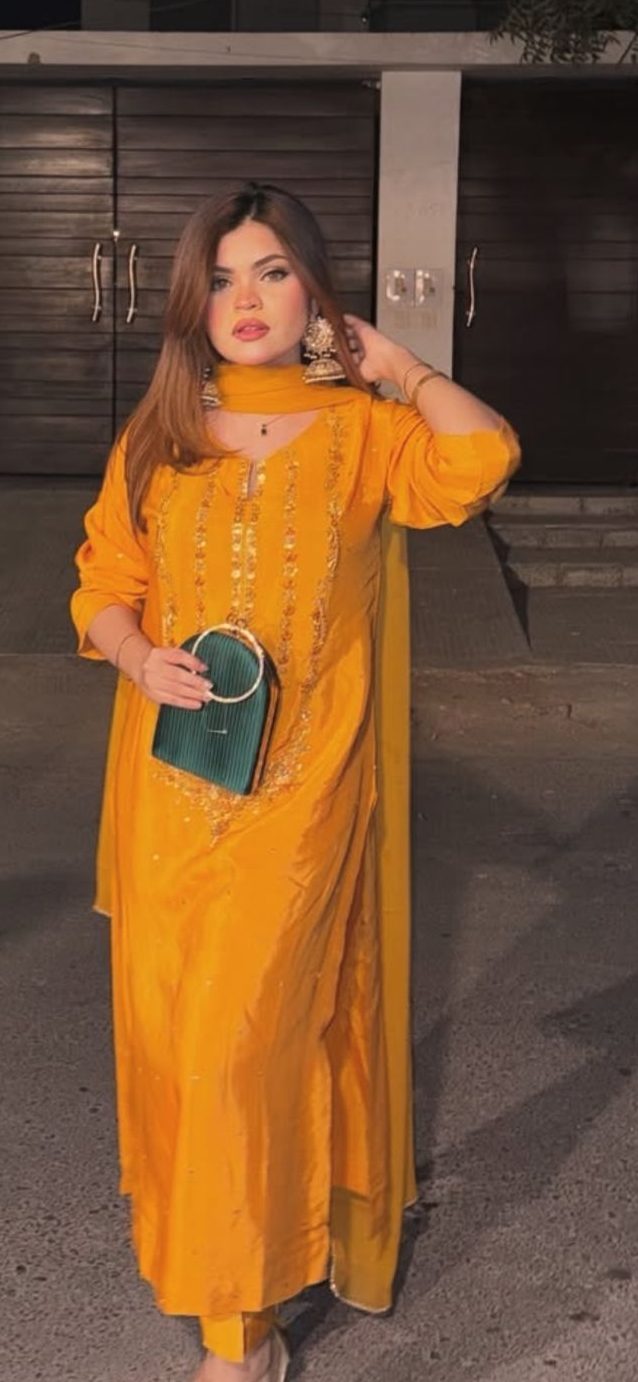


The size chart we offer is here:

Eastern clothing is made using a variety of techniques and fabrics that reflect the rich cultural heritage of the region. The process of creating traditional eastern wear involves several stages, from selecting fabrics to intricate embroidery and tailoring. Here's an overview of how eastern clothing is typically made:
- Fabric Selection
Cotton, Silk, and Georgette: Fabrics like cotton, silk, chiffon, georgette, and velvet are commonly used for making eastern wear, with choices depending on the occasion and climate.
Traditional Handwoven Fabrics: In some cultures, handwoven fabrics like Khadi, Jamdani, or Kanchipuram silk are used for special occasions.
- Designing and Pattern Making
Draping: For garments like the saree, the cloth is draped in a specific manner according to tradition, often requiring precise measurements and a good understanding of body shape.
Pattern Drafting: For structured garments like salwar kameez or lehengas, the designer drafts patterns based on measurements. These patterns are used to cut the fabric into the necessary shapes for assembly.
Customization: Many pieces are tailored to the individual's measurements for a perfect fit.
- Cutting :
After creating the patterns, the fabric is cut into specific shapes. For example, the saree doesn’t need much cutting but is shaped with precise draping. Other garments like the salwar kameez or lehenga require multiple pieces to be cut, including sleeves, bodices, skirts, and trousers.
- Sewing and Tailoring
Hand stitching or Machine stitching: Depending on the garment, skilled tailors either sew by hand (for fine detailing and embroidery) or use sewing machines to stitch the pieces together. For example, the intricate embroidery on a lehenga or saree might be done by hand, while simpler designs are machine-sewn.


Construction of Details: Zippers, buttons, or hook-and-eye fastenings are added, depending on the design. In some traditional clothing, such as sherwanis, there may be elaborate buttonwork or decorative closures.
- Embroidery and Embellishment
Hand Embroidery: Crafts such as Zardozi, chikankari, kantha, and Kashmiri embroidery are often used for adding intricate patterns and designs to the fabric. This is a labor-intensive process done by skilled artisans.
Machine Embroidery: For faster production, machine embroidery is sometimes used, especially for mass production or less elaborate designs.
Beading, Sequins, and Stones: These embellishments are applied to enhance the visual appeal of the garment, especially for festive or bridal wear.
- Finishing Touches
Fitting: The garment is tried on, and adjustments are made to ensure the right fit. This is crucial in ensuring comfort and elegance in wearing the outfit.
Ironing and Pressing: Once the garment is complete, it is ironed to give it a neat and crisp appearance. Special attention is given to pleats, folds, and any embroidery.
Adding Dupatta or Shawl: In many outfits like the salwar kameez or lehenga, a matching dupatta or shawl is added as a finishing touch, sometimes adorned with similar embroidery or embellishments.
- Final Look and Packaging
Once the garment is finished, it is often packed carefully for sale or for a special occasion like a wedding or festival. Many traditional pieces like sarees, lehengas, or anarkalis are stored in special wrappings to preserve their quality.

Velvet Collection:


Eastern clothing often incorporates regional craftsmanship, and the quality of tailoring, fabric choice, and design details contribute to its uniqueness and value.
We have all kind of fabrics, summer winter season all! Raw silk and chiffon variety is also available in off season in low rates.


We have all kind of Heavy Wedding range available.
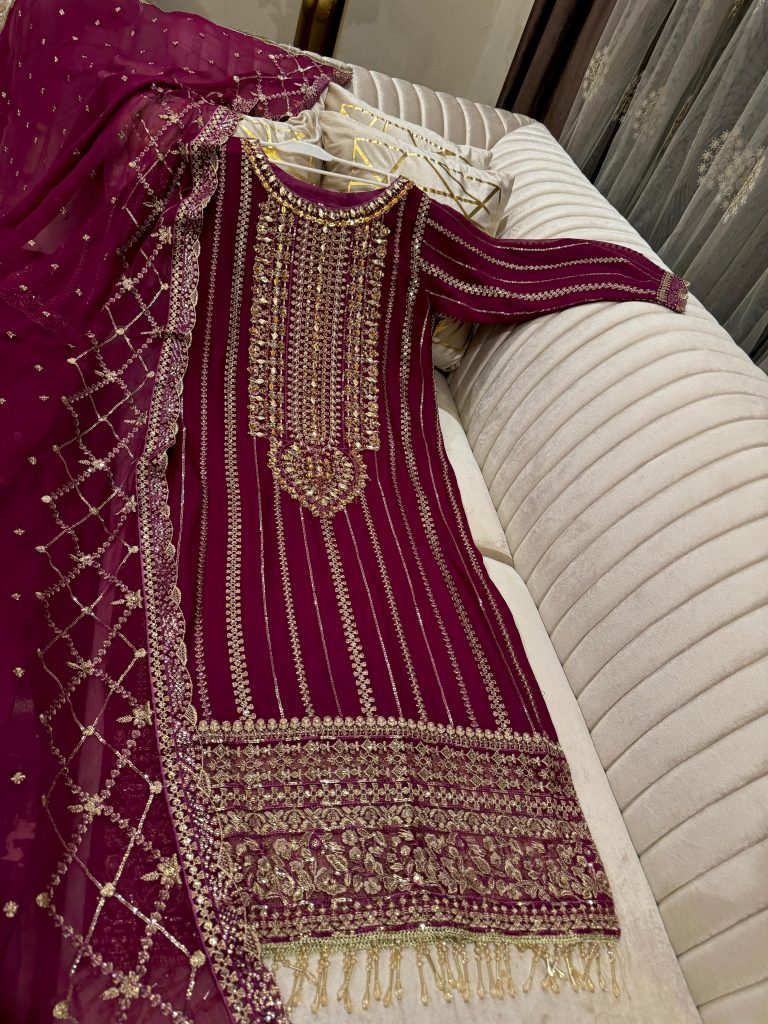


Client Reviews :


We offer Hand painted dopattas with complete dresses.


